Your comfort and peace of mind matter to us just as much as your dental health. We've built our practice around creating an environment where patients feel genuinely cared for—one where our experienced dental team and supportive staff recognize that gum disease treatment can feel daunting. Every patient who walks through our doors receives the same commitment: expert clinical care delivered with compassion and a genuine effort to make your entire experience as manageable and anxiety-free as possible.
Call 918-663-5215 to schedule an appointment in our Tulsa, OK office today!
Understanding Periodontal Disease: A Comprehensive Overview
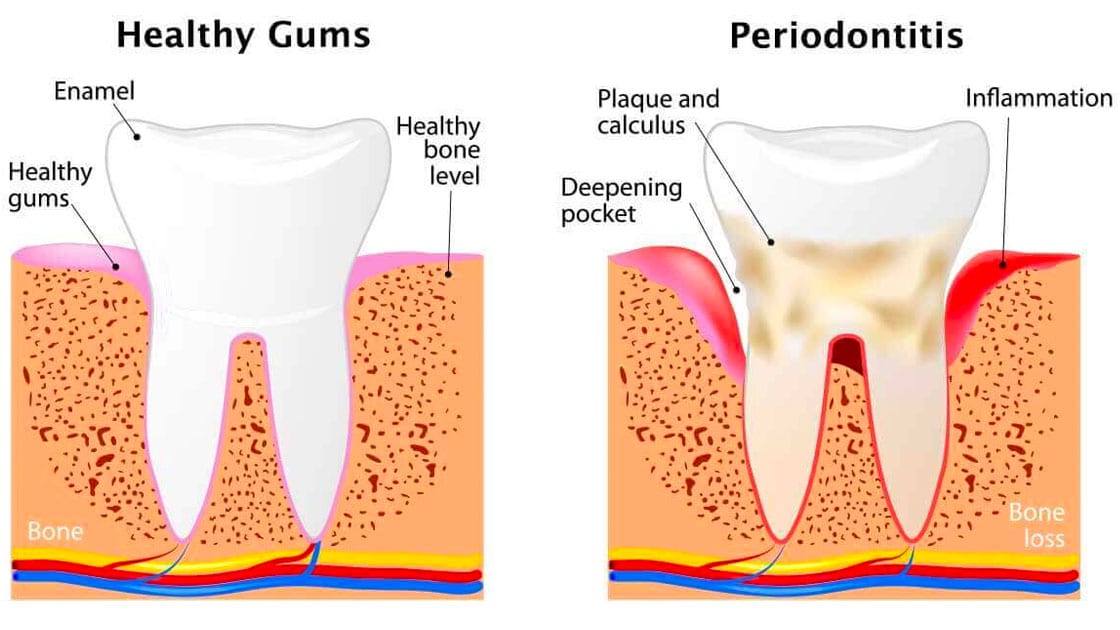
Periodontal (gum) disease remains one of the most common oral health conditions affecting adults and represents a significant risk factor for tooth loss. The condition develops through predictable stages, each with distinct characteristics and clinical implications. Early recognition and intervention are crucial—catching periodontal problems at the initial stage dramatically improves treatment outcomes and makes reversal possible.
The cornerstone of prevention involves maintaining consistent oral hygiene practices combined with regular professional assessments. The American Dental Association recommends biannual dental visits for individuals without risk factors, allowing dental professionals to monitor gum health, remove hardened deposits, and identify emerging problems before they progress. When periodontal issues are discovered during examination, our team develops a personalized management strategy that may include enhanced daily care routines and targeted clinical interventions.
Gingivitis: The Initial Phase of Gum Disease
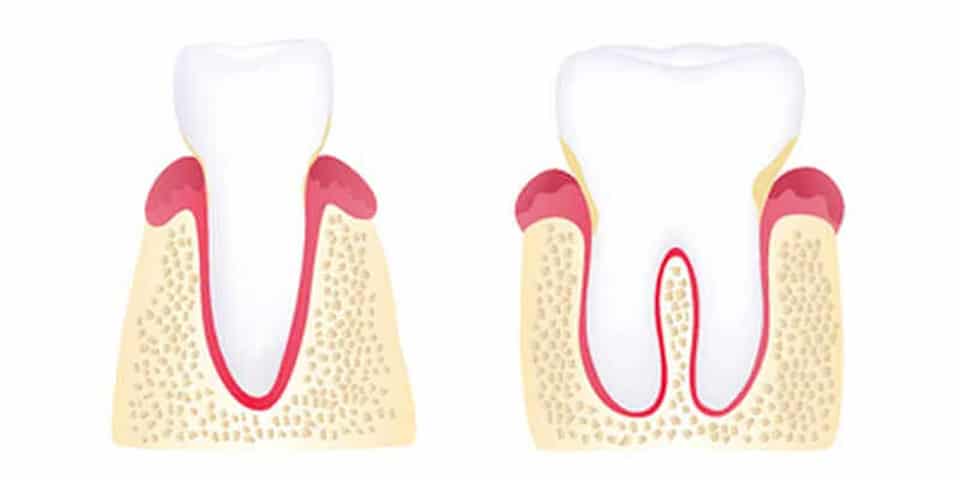
Gingivitis represents the earliest manifestation of periodontal pathology, occurring when bacterial biofilms accumulate on tooth surfaces and trigger an inflammatory response in the gingival tissues. At this stage, pathology remains limited to the gums themselves without affecting the supporting bone structure that anchors teeth.
Many people experience no noticeable symptoms, making early professional detection essential. However, observable signs may present as:
- Gingival edema and spontaneous or provoked bleeding during oral hygiene or eating
- Halitosis (bad breath) or unusual tastes in the mouth
- Gum margins that appear inflamed and may recede slightly
- Visible gaps developing between adjacent teeth
The reversibility of gingivitis is one of its most encouraging aspects. When bacterial plaque and mineralized deposits are professionally removed and home care improves, gingival tissues can return to their healthy baseline.
Periodontitis: Advanced Stages of Periodontal Involvement
When gingivitis remains untreated, the inflammatory process extends beyond the surface tissues into the periodontal ligament and alveolar bone—the structures responsible for anchoring teeth. Once this occurs, the condition becomes periodontitis, and the damage becomes partially irreversible.
The progression typically moves through distinct phases:
What Healthy Periodontal Tissues Look Like
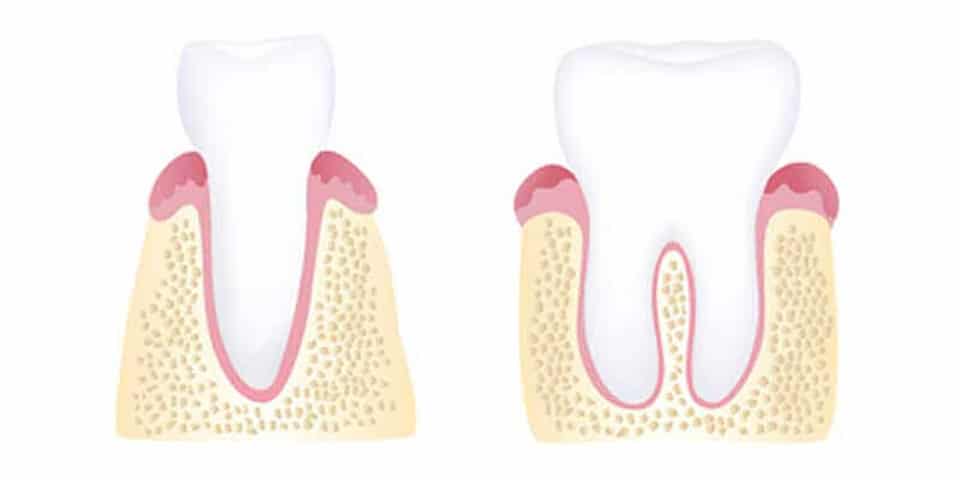
Optimal gingival health is characterized by firm, stippled tissue with a pale pink hue that fits snugly around tooth necks. The underlying bone structure is dense and provides robust support for each tooth. These visual and tactile features indicate that tissues are resisting bacterial colonization effectively and that the tooth-supporting apparatus remains intact.
Gingivitis
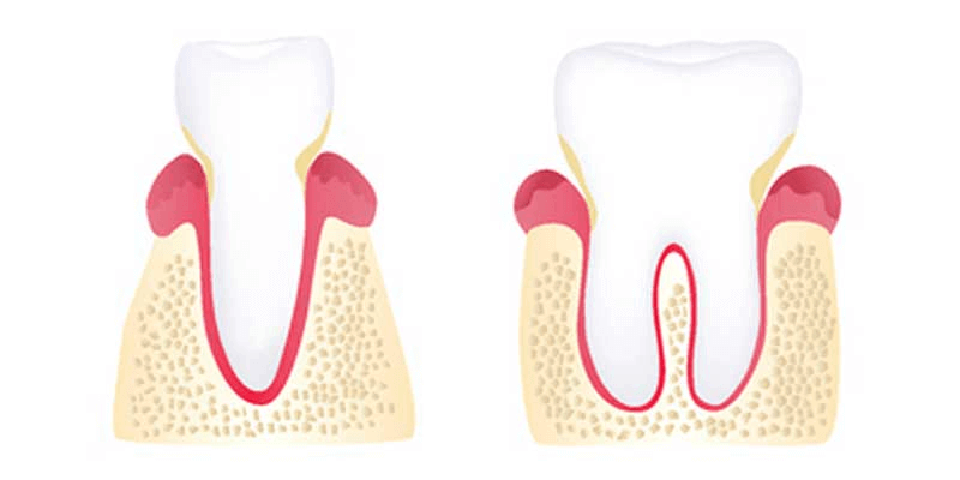
Early-Stage Periodontitis:
As inflammation deepens, the gingival attachment to the tooth weakens, and a space forms between the gum and tooth surface called a periodontal pocket. These pockets accumulate food debris, bacterial colonies, and their byproducts, perpetuating infection. The immune system's inflammatory response—while an attempt to combat infection—paradoxically contributes to bone loss through the release of destructive enzymes.
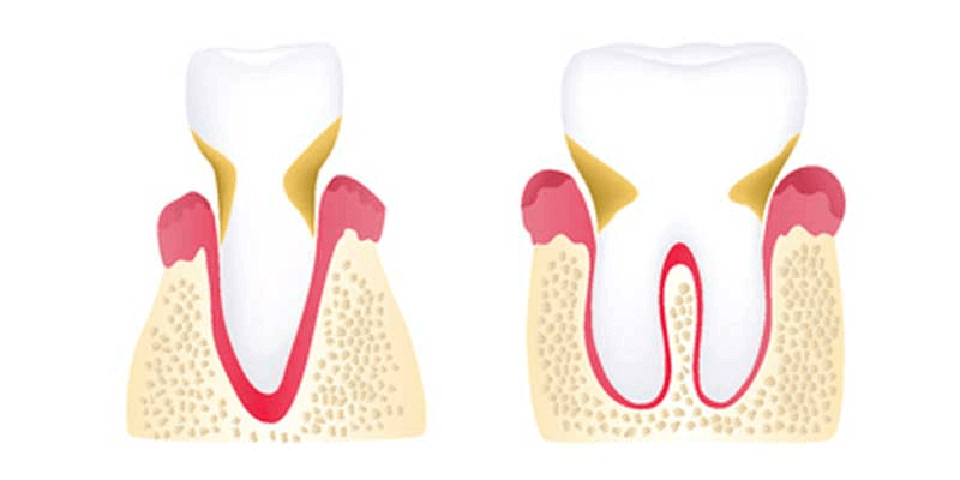
Moderate-Stage Periodontitis:
Progressive inflammation extends deeper into the periodontal structures, resulting in more substantial bone loss. Teeth become increasingly mobile due to compromised support, and gum recession becomes more apparent. Patients often begin experiencing discomfort or sensitivity as the condition becomes more advanced.
Advanced-Stage Periodontitis:
Significant bone loss characterizes this final stage, creating a major cause of tooth loss in the adult population. Bacterial infection can spread beneath the gum tissue, forming collections of pus (abscesses) that cause pain and additional tissue damage. Without intervention, affected teeth typically cannot be retained.
Call McCammon Advanced Dentistry
Restore your smile with lasting confidence through personalized dental implant treatment at McCammon Advanced Dentistry. Call (918) 663-5215 or contact us at our Tulsa office today to schedule your consultation and learn how dental implants can help you smile, eat, and live more comfortably.